Key Takeaway
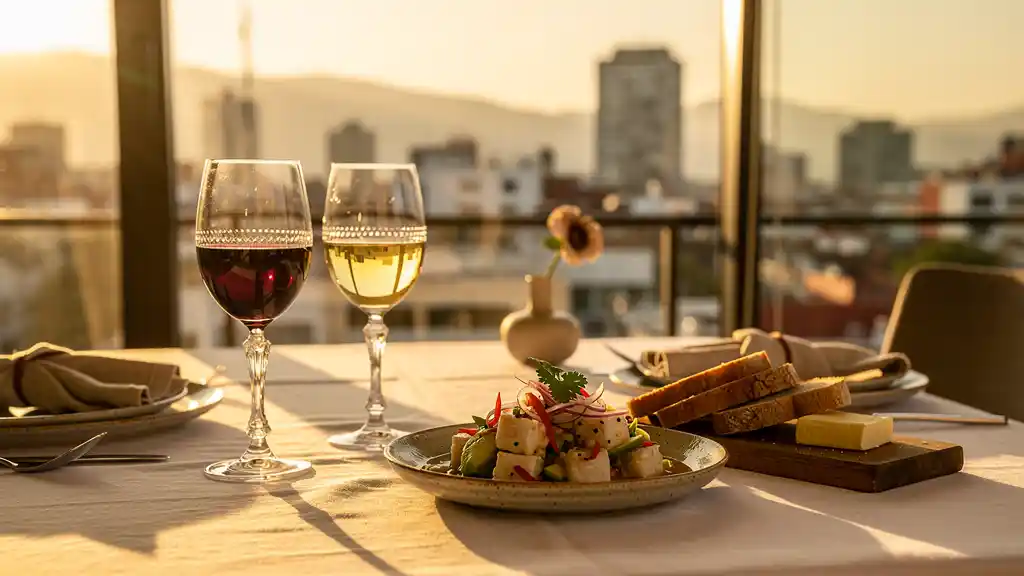
The art of food and wine is one of the most rewarding skills any enthusiast can develop. The right bottle can elevate a simple meal into something genuinely memorable, and pairing is one of the most enjoyable ways to explore that potential.
You don’t need to memorize every rule to get started. A few solid pairing guidelines go a long way. Whether you’re reaching for a robust red with steak, a crisp sauvignon blanc with seafood, or something sweet with dessert, the goal is always the same: make the dish and the glass taste better together.
Keep these in mind:
- Match the intensity of your wine to the dish you’re serving
- Acidity, tannins, and residual sugar all shape how food tastes
- Some pairings succeed by finding common ground; others work through exciting contrast
- Pairing is personal. The wine you choose should ultimately please your palate
Chef CDMX chefs build every menu with these pairing guidelines in mind, so your bottle of wine and your plate always work together seamlessly.
Whether you’re tasting wine for the first time or looking for the best bottle for a dinner party, this guide will walk you through everything, one glass at a time.
Wine Pairing 101: The Building Blocks
Before picking a specific wine, it helps to understand what drives it. Mastering the art of pairing starts with knowing a wine’s core characteristics. The perception of wine shifts dramatically the moment you put food next to it, so these fundamentals are worth learning early.
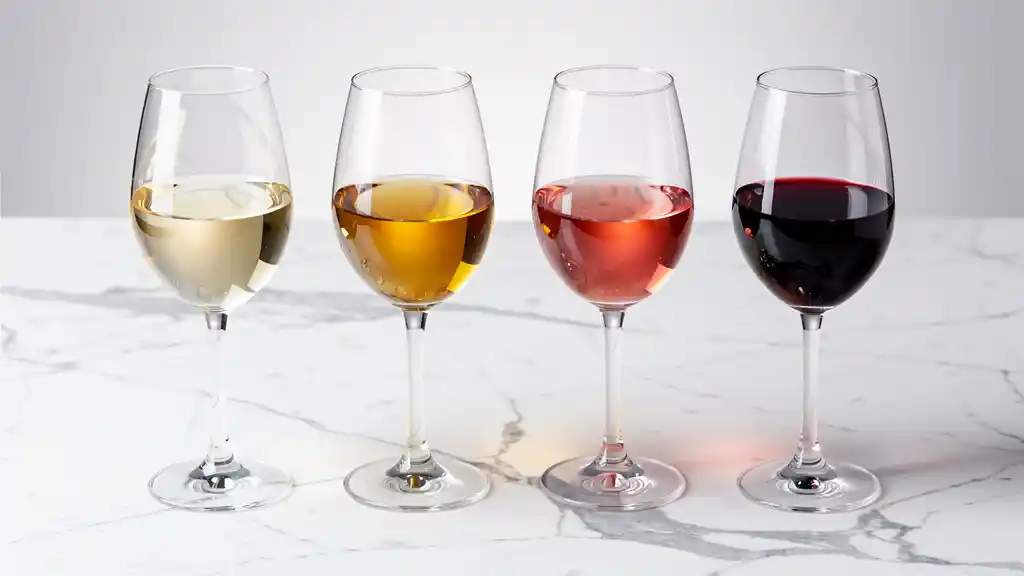
Every great wine is shaped by four elements:
- Acidity – brightness and crispness; the acidity of white wine especially cuts through rich, fatty food
- Tannins – the grippy, drying texture in reds that softens beautifully against fat and protein
- Residual sugar – from bone dry to lusciously syrupy; a touch of it tames heat and salt
- Body – the overall weight on your palate, from featherlight to full
Think of these as a wine’s personality. Once you recognize them, matching food and wine becomes intuitive rather than intimidating.
Two Strategies Every Wine Lover Should Know
- Complementary pairing – wine and food share similar qualities. Buttery chardonnay with creamy pasta is a classic because both are round and indulgent. Like goes with like.
- Contrasting pairing – opposites create balance. A tart wine like riesling next to a fiery dish cools the heat. The tension is what makes it a successful pairing.
Neither approach is better. Good pairing lies in knowing which one to reach for and when.
The golden rule: Match the wine with the weight of the food. Light bottles with light dishes; full-bodied wines with bold flavors. Everything in this guide builds from that single rule.
Food and Wine Pairing Principles
Pairing food well isn’t about following rigid rules. It’s about understanding a few reliable pairing guidelines that make the ideal wine obvious most of the time.
Match Intensity First
Ask yourself: how bold is this dish?
- Light dishes (salads, steamed fish, soft cheeses) – a particular wine like pinot grigio or dry riesling works beautifully
- Medium dishes (roasted chicken, pasta, salmon) – chardonnay or pinot noir go together naturally
- Bold dishes (braised meats, aged cheeses, rich stews) – a full-bodied red with structure is what the dish calls for
When you match the wine with the weight of the food, wine creates harmony rather than competition.
Use Acidity as Your Secret Weapon
Acidity in wine acts like a squeeze of lemon on your plate. It lifts flavors and refreshes your palate between bites. A crisp sauvignon blanc cuts through creamy sauces; bubbles alongside fried food is a classic pairing tip for a reason; a tart wine next to rich cheese can make the wine seem brighter and the food taste cleaner.
Residual Sugar Handles Heat and Salt
When pairing food with wine near something fiery or salty, reach for a touch of sweetness. Off-dry riesling next to bold Mexican or Asian dishes is a textbook pairing tip. A wine’s residual sugar also lifts salty ingredients like blue cheese or cured meats, which is why wine and cheese combinations often lean toward slightly sweeter styles.
Complementary vs. Contrasting Approaches
A complementary pairing finds flavors that echo each other. Think of pinot noir with dishes like mushrooms. Both carry earthy, savory notes that go together naturally. A contrasting pairing does the opposite: it uses tension to create balance. Port wine with dark chocolate is a prime example of pairing to create contrast that makes both elements taste better.
These are pairing guidelines, not laws. The best combination is ultimately the one that works for your palate. Our chefs apply every one of these principles to every menu they design.
Sauvignon Blanc
Bright, herbaceous, and citrus-driven, sauvignon blanc is one of the most food-friendly bottles you’ll find. Its acidity doesn’t just sit alongside food; it actively makes dishes taste more vibrant. Wine folly often points to it as the ideal choice for everyday food and wine pairing situations.
Pairs well with:
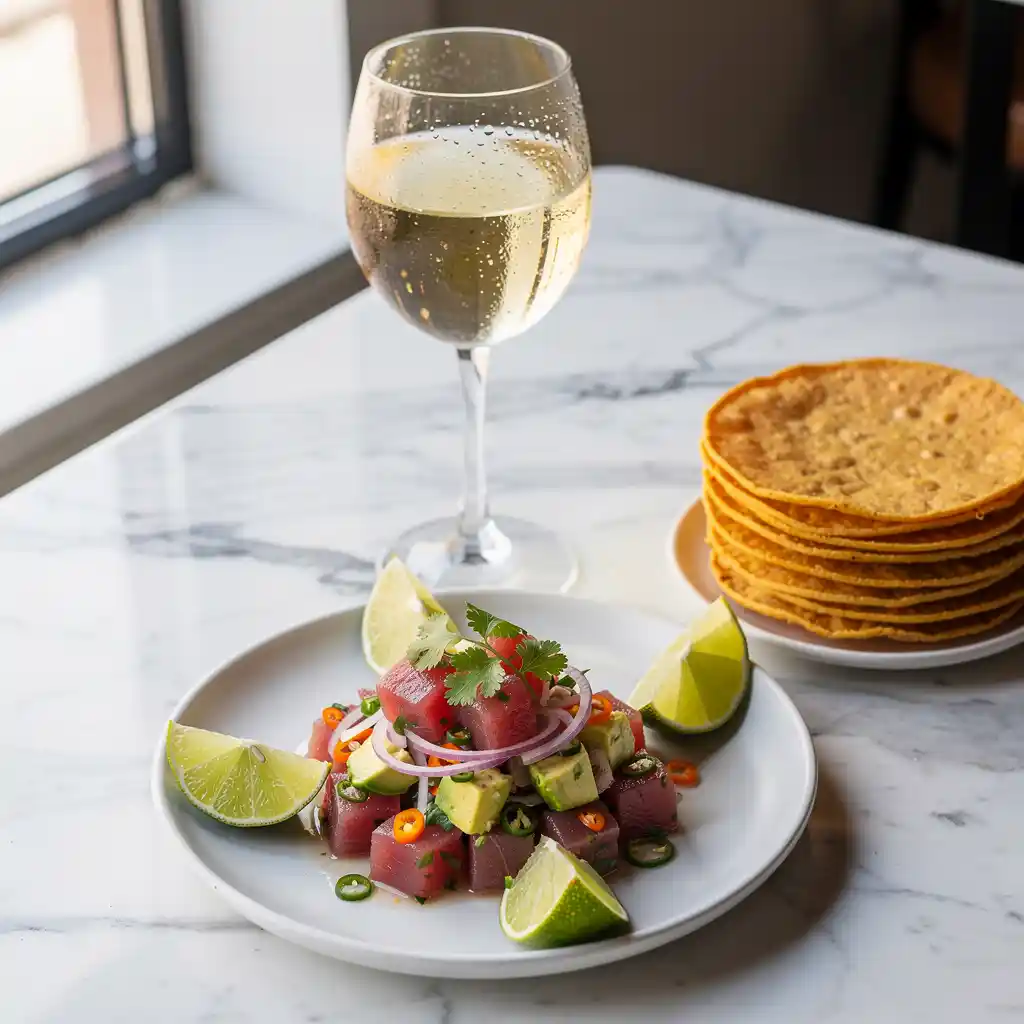
- Ceviche, oysters, grilled shrimp, light fish
- Salads with asparagus, green herbs, or citrus dressings
- Goat cheese (the acidity cuts creaminess perfectly)
- Lemon butter or pesto pasta
Avoid with: Very fiery dishes where acidity can amplify heat, heavy steak dishes, or rich oaky preparations where chardonnay is a better fit.
A Chef CDMX chef preparing fresh tuna tostadas with avocado, lime, and cilantro on a warm Mexico City evening instinctively reaches for a chilled sauvignon blanc. The wine complements the lime, cuts the avocado fat, and the whole dish and the wine click into place effortlessly.
Chardonnay
The world’s most planted white grape is also one of its most versatile. A successful pairing lies in knowing which style you’re working with.
| Style | Profile | Best Pairings |
|---|---|---|
| Oaked | Buttery, vanilla, toasty | Lobster, creamy pasta, roasted chicken |
| Unoaked | Crisp, apple, citrus | Light fish, salads, delicate preparations |
A well-chosen oaked chardonnay with lobster is a complementary pairing at its finest. Both are rich and indulgent, and the wine goes perfectly with the dish’s buttery richness. Unoaked styles work better when food with wine needs a leaner, fresher touch.
Avoid with: Fiery dishes, strong acidic tomato sauces, anything light enough to call for a crisper bottle.
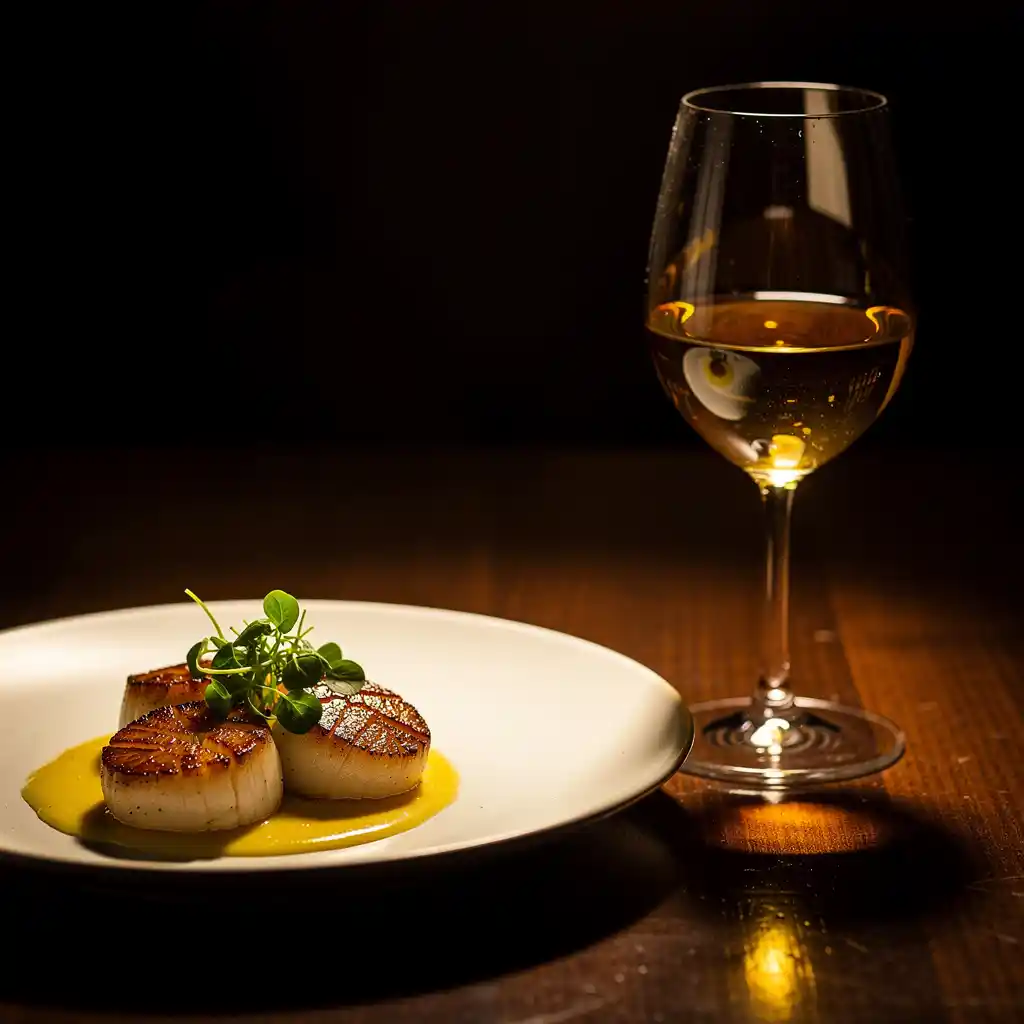
A Chef CDMX chef plating seared scallops with lemon beurre blanc knows that a quality chardonnay is the perfect wine for that moment. That pairing elevates the dish from elegant to exceptional.
Pinot Noir
Pinot noir is the red that breaks every stereotype. Complex in flavor but light enough in body to handle dishes most reds can’t touch, it’s the go-to for flexibility. When you’re looking for the best wine that works across a wide range of wine and food pairings, pinot noir is often the answer.
Wine characteristics that set it apart:
- Low to medium tannins, far less grippy than a structured red like cabernet
- Bright acidity, rare for a red, and what makes it so food-friendly
- Earthy, fruit-forward notes: cherry, raspberry, forest floor, subtle spice
Best wine and dish combinations:
- Salmon and fatty fish (acidity cuts the fat beautifully)
- Duck, game birds, and rich poultry
- Earthy dishes like mushrooms (a textbook complementary pairing)
- Charcuterie boards and aged cheeses
- Lamb chops or veal where a heavier bottle would overwhelm
Avoid with: Very fiery dishes, ribeye or braised short rib, strong tomato-based sauces.
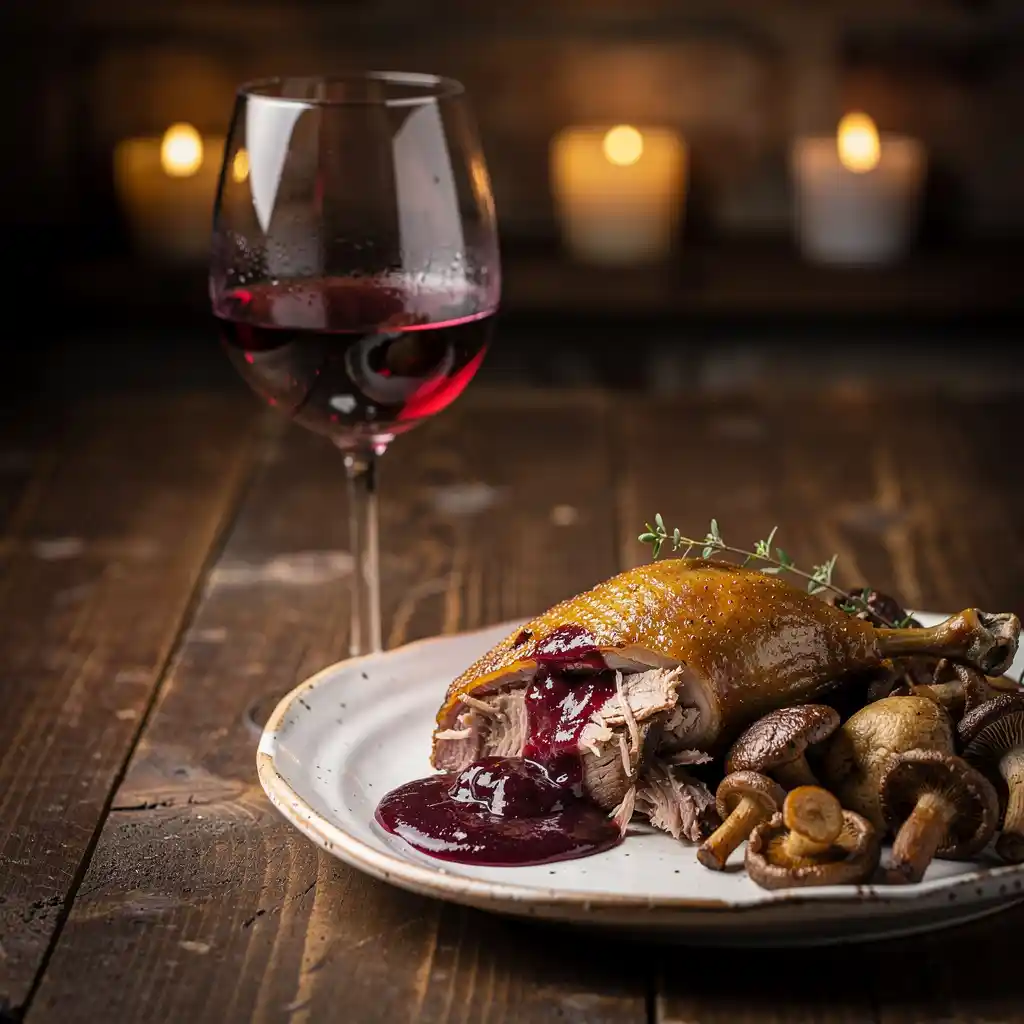
Imagine a Chef CDMX chef presenting duck confit with cherry reduction at your dinner party, paired with a well-chosen pinot noir. That’s what thoughtful pairing elevates food to: an experience guests talk about for weeks.
Riesling
Riesling is one of the most misunderstood bottles in the wine world. Most people assume it’s always sweet. In reality it spans bone dry to lusciously rich, and that full spectrum is exactly what makes it such a powerful pairing tool.
Defining wine characteristics:
- One of the highest-acid whites you’ll encounter
- Variable residual sugar depending on style and origin
- Aromatic intensity: stone fruit, petrol, citrus blossom, honey
- Light to medium body
Matching Style to Dish
- Dry riesling – sushi, grilled white fish, shellfish, soft cheeses, light salads
- Off-dry riesling – fiery dishes, Thai and Vietnamese cuisine, glazed pork or duck, washed-rind cheese pairings
- Sweet riesling – fruit-based desserts, blue cheese, foie gras
Riesling’s residual sugar and piercing acidity working in tandem is what makes it the go-to for heat-driven dishes. Low tannins prevent it from amplifying spice, and the acidity refreshes the palate between fiery bites. It’s a pairing tip worth memorizing if you eat a lot of Mexican, Asian, or heavily seasoned food.
Avoid with: Heavy braised meats, strong umami dishes, heavily buttered preparations better suited to chardonnay.
A Chef CDMX chef threading an off-dry riesling between bold courses on a tasting menu knows it keeps every dish tasting clean and vibrant.
Pinot Grigio
Easygoing, light, and refreshing, pinot grigio is the go-to for casual dining and warm-weather meals. Neutral fruit notes (green apple, pear, lemon) let the food take center stage, which is exactly what you want from an everyday bottle of wine.
Wine characteristics:
- Light body; the dish should stay equally light to match it
- Moderate to high acidity that keeps it fresh and food-friendly
- Neutral fruit notes with little to no residual sugar
- Dry, clean finish
Pairs well with:
- Grilled shrimp, clams, mussels, mild white fish
- Antipasti, cured meats, fresh salads with citrus or vinaigrette
- Light pasta with olive oil, garlic, or seafood-based sauces
- Fresh mozzarella or ricotta
Pinot grigio vs. sauvignon blanc: Sauvignon blanc is more aromatic and assertive. Pinot grigio is subtler. When the wine and dish need balance and restraint, pinot grigio is the ideal wine.
Avoid with: Heavily seasoned dishes (reach for riesling), robust meats, or oaky preparations.
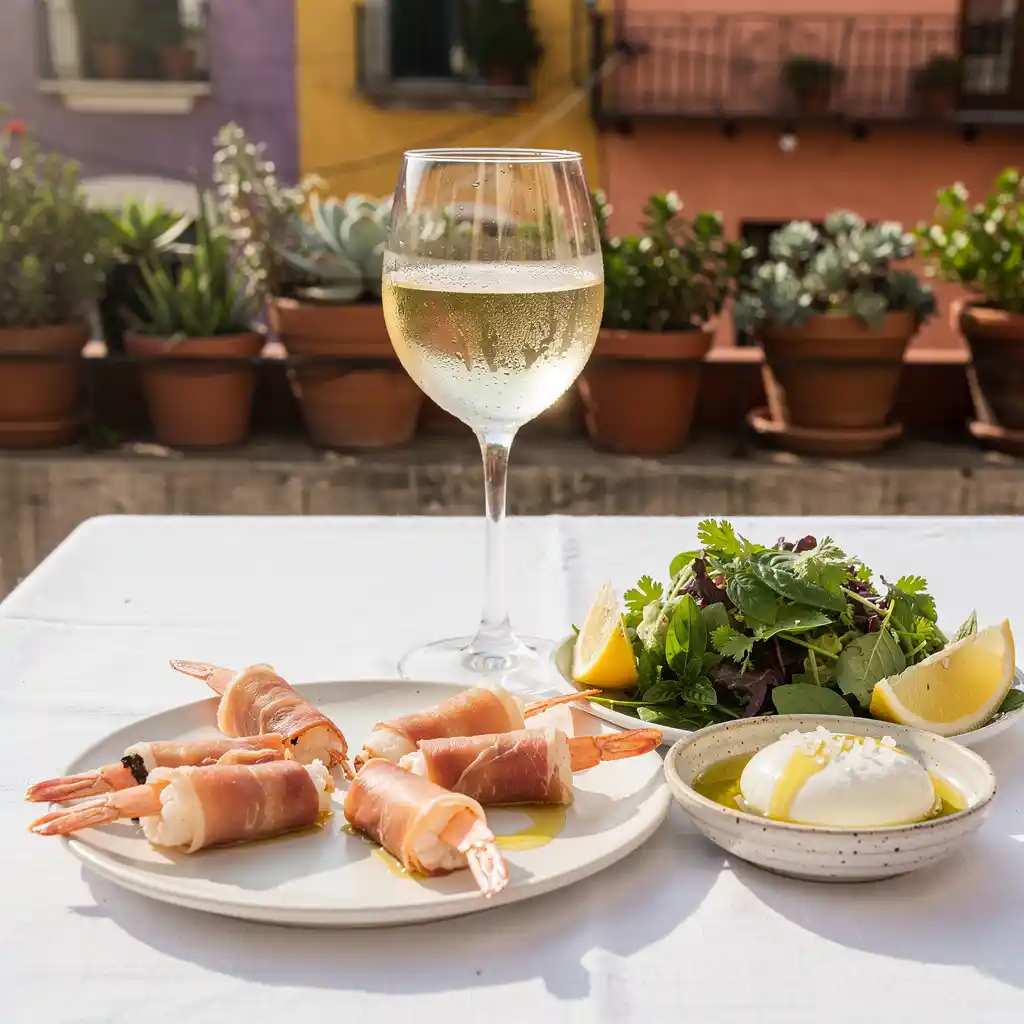
Picture a sunny afternoon in Roma Norte, Mexico City. A Chef CDMX chef sets out prosciutto-wrapped prawns, burrata, and a fresh herb salad. A well-chilled pinot grigio alongside is effortless, elegant, and perfectly in sync.
Wine with Red Meat
Red wine with a well-cooked steak is one of the most iconic combinations on the table. Understanding why it works turns a good instinct into a reliable skill you can apply to any cut.
Tannins in red wine bind to proteins and fat in meat, softening their grip and making the wine taste smoother. Acidity cuts through richness and resets the palate between bites. A structured red next to a fatty ribeye creates tension that makes both taste better.
Match the cut to the bottle:
- Ribeye / T-bone – cabernet sauvignon; its structure and full body match the fat and intensity perfectly
- Filet mignon – a leaner cut that goes together well with pinot noir or a medium-bodied red
- Lamb chops – earthy pinot noir or a Rhône blend complements the subtle gaminess
- Braised short rib – Malbec or Syrah with dark fruit and spice
- Burgers and casual grills – an approachable cabernet or Zinfandel works without overthinking it
Cabernet sauvignon actually needs fatty food to show its best side. The fat softens the wine’s structure, the fruit opens up, and both the plate and glass win.
Avoid: Lighter whites get completely overwhelmed alongside a rich steak. Wine with lots of residual sugar also clashes with savory, charred flavors.
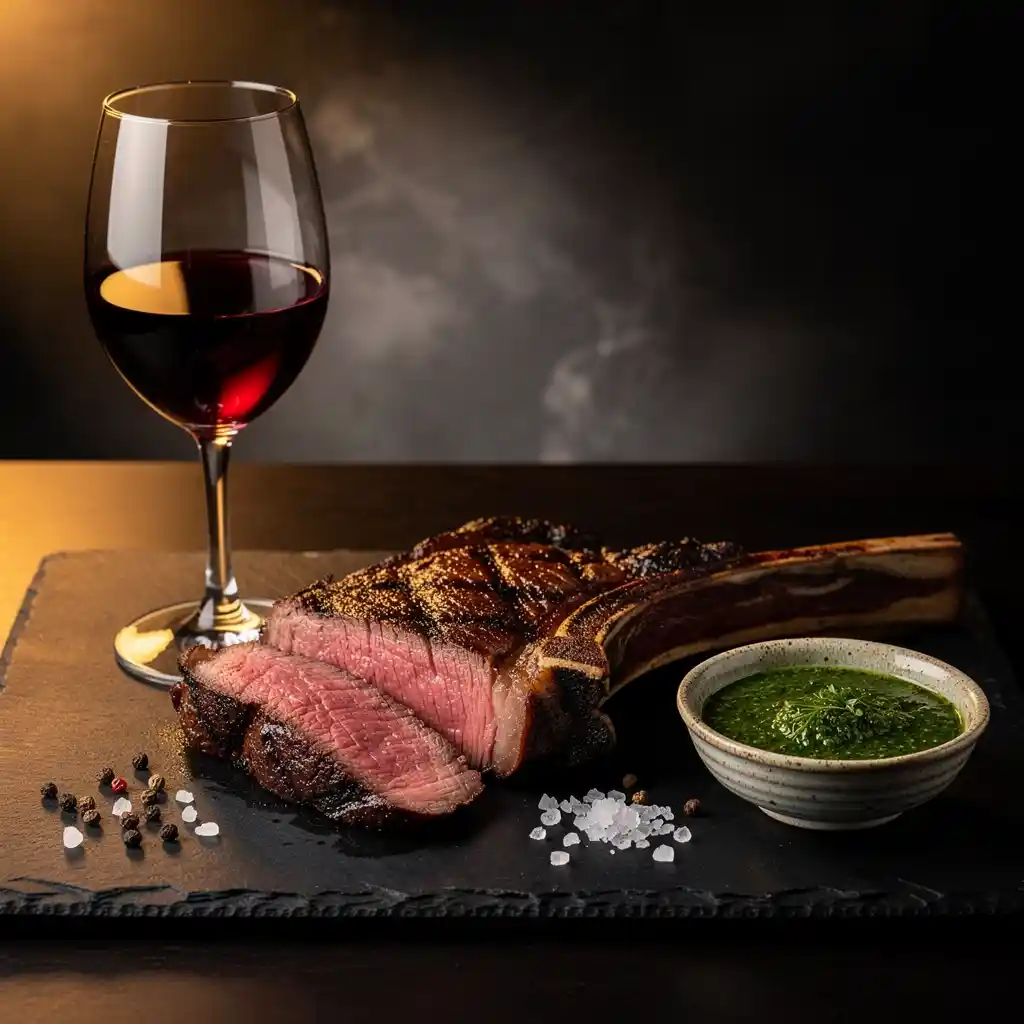
A Chef CDMX chef preparing a wood-fired tomahawk with chimichurri knows exactly which bottle completes the experience. That seamless coordination between wine and dish is what separates a great dinner from a truly memorable one.
Pairing with Heat
Fiery food is one of the trickiest challenges in the art of food and wine. The wrong bottle turns up the heat uncomfortably; the right one cools, refreshes, and enhances the whole dish.
Why heat changes the perception of wine:
- Wine with lots of tannins amplifies spice rather than calming it
- High-alcohol bottles interact with capsaicin and make dishes taste hotter
- Acidity and a touch of residual sugar are what bring things into balance
Best choices:
- Off-dry riesling (the go-to for heat-driven dishes; a classic pairing tip)
- Gewürztraminer (aromatic, slightly sweet, built for bold seasoning)
- Sparkling wine with its sparkle of acidity and bubbles cuts through heat beautifully
- Dry rosé wine hits the sweet spot between freshness and light red fruit
Avoid: Full-bodied structured reds, oaked chardonnay, high-alcohol wines.
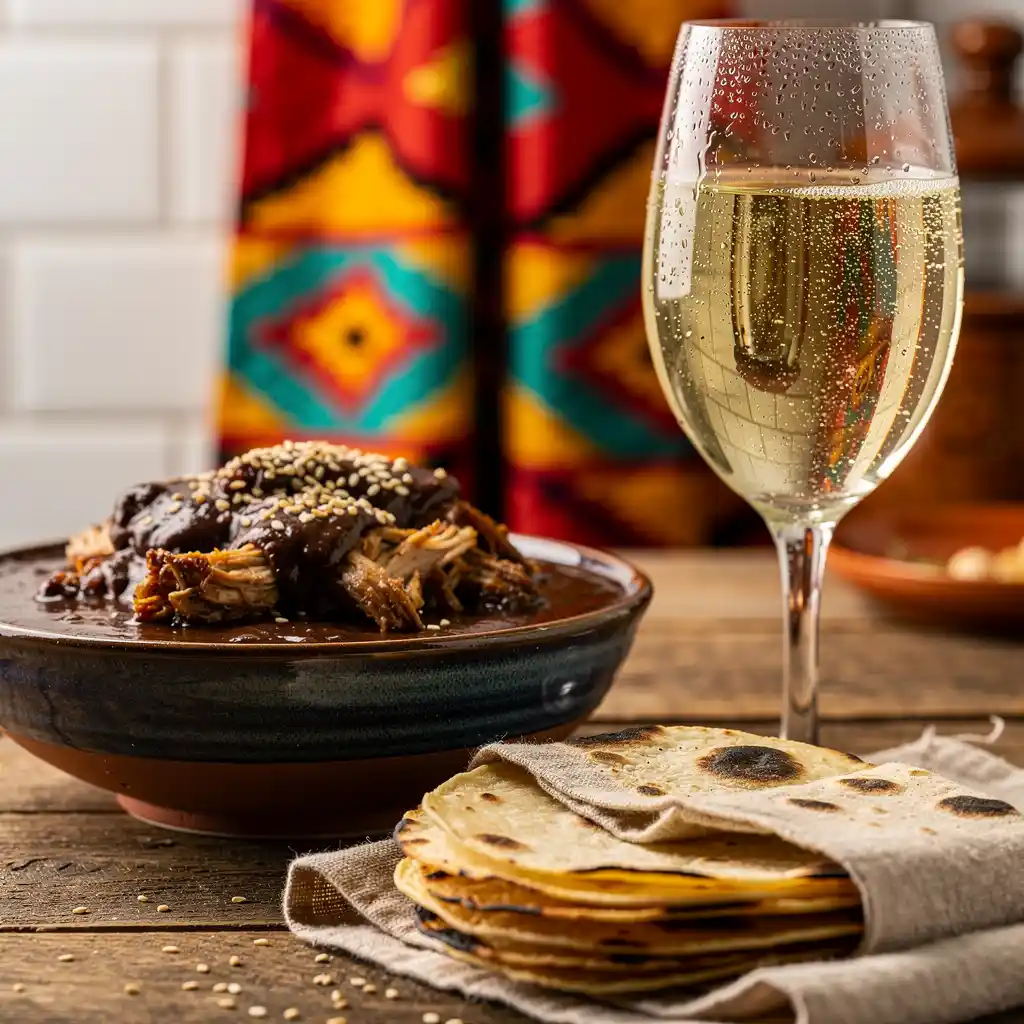
Mexico City specifically: Mole negro goes naturally with off-dry riesling or a light pinot noir. Cochinita pibil’s citrus and achiote flavors pair well with dry rosé. Spicy salsas and ceviches love sparkling wine or a crisp sauvignon blanc.
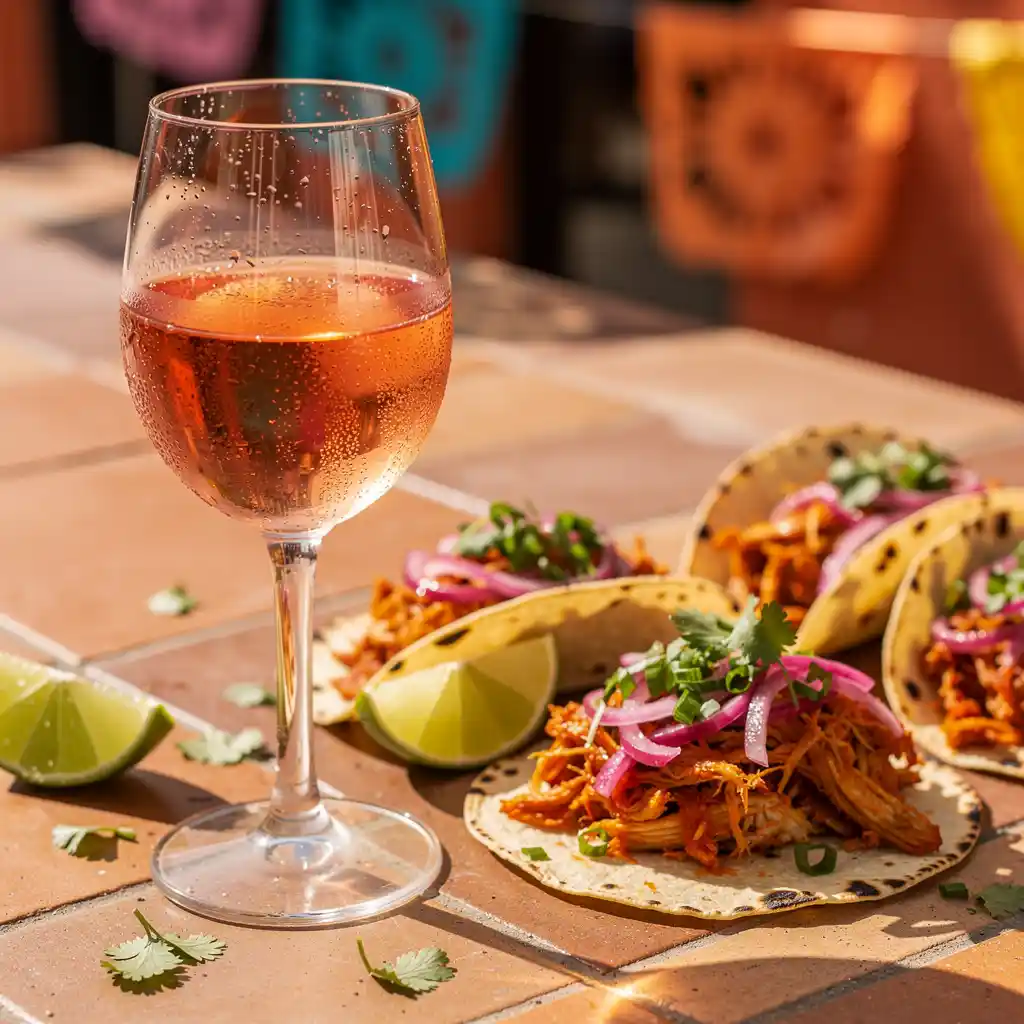
Chef CDMX chefs work with Mexico City’s bold, layered cuisine daily. The wine selection is never an afterthought. It’s part of what makes the entire menu work.
Wine and Chocolate Pairings
Pairing wine and chocolate is one of the most indulgent areas of food and wine exploration and also one of the most misunderstood. The wrong combination makes both the wine and the chocolate taste bitter and flat. The right one feels like pure luxury.
The golden rule for wine and chocolate pairings: The residual sugar in the wine must always meet or exceed that of the chocolate, or the bottle seems sour and sharp.
By chocolate type:
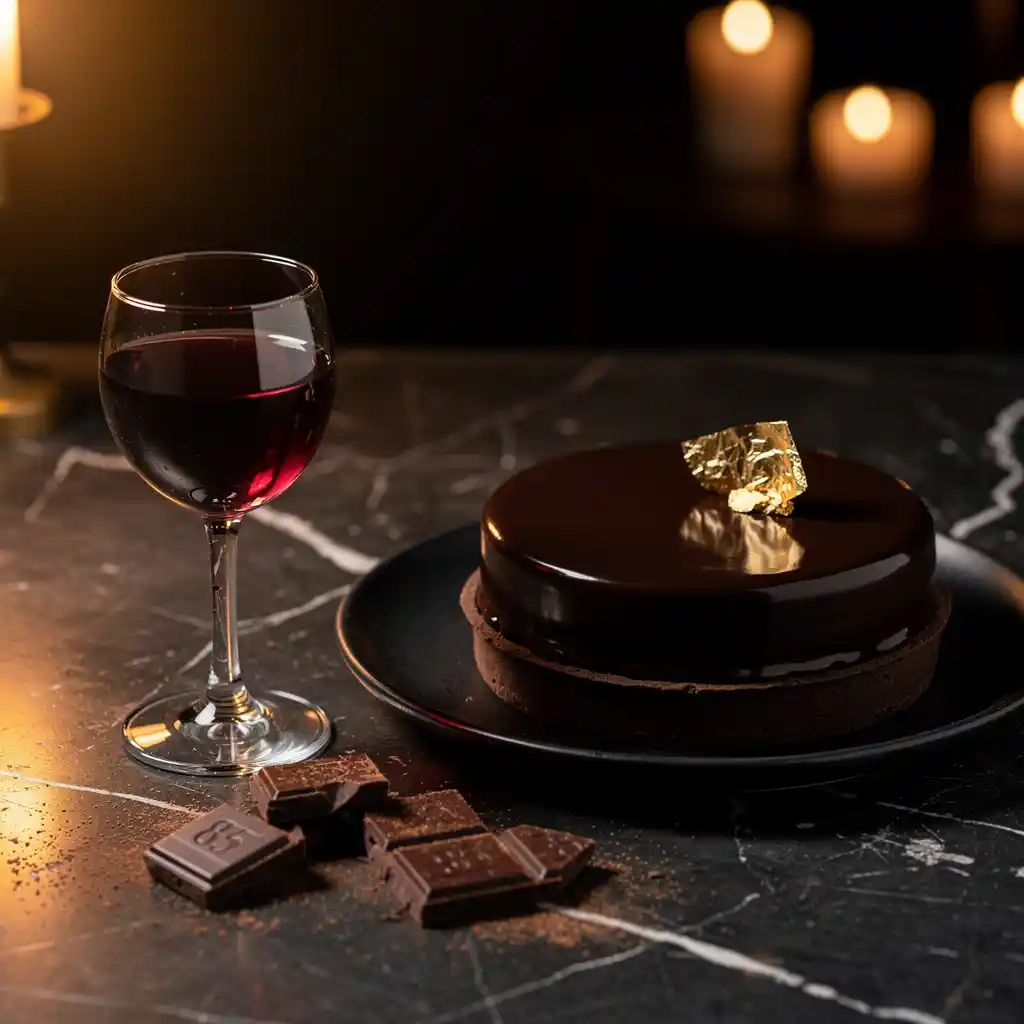
- Dark chocolate – port is the classic pairing; its dried fruit notes complement bitterness beautifully. A jammy Zinfandel or Banyuls also works well.
- Milk chocolate – demi-sec champagne creates a lovely contrast. Pinot noir also works as a complementary pairing when the chocolate has nutty or caramel notes.
- White chocolate – Moscato or late-harvest riesling. Avoid structured reds entirely here.
- Spicy or salted chocolate – off-dry riesling for chili notes; port for salted caramel.
Quick pairing tips:
- Always taste the chocolate before choosing the bottle
- Start with small pours when pairing wine and chocolate
- A complementary approach matches flavor intensity; a contrasting approach plays sweetness against bitterness
- When in doubt, port is almost always a safe, satisfying call
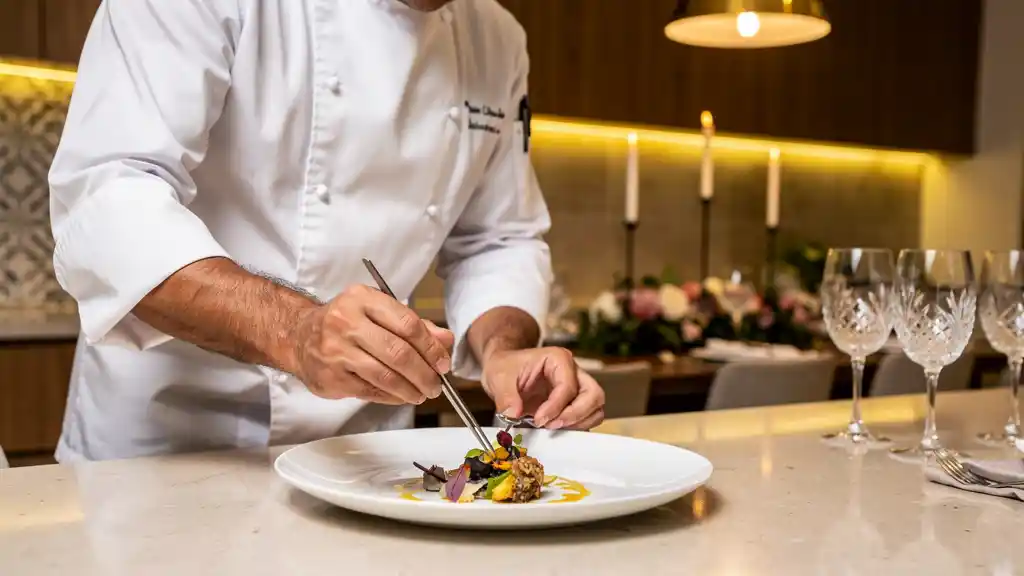
A Chef CDMX chef closing a dinner with a handcrafted chocolate course never leaves wine and chocolate pairings to chance. That final pairing elevates the entire evening.
Perfect Pairing with Chef CDMX
Every section of this guide has brought you closer to mastering the art of pairing. But knowing the principles and executing them flawlessly across a full dinner are two very different things. That’s exactly where Chef CDMX comes in.
A Chef CDMX private chef doesn’t just prepare great food. They think about the entire experience. Pairing food and wine is a core part of every menu we build.
What our chefs bring to the table:
- Menu design built around your favorite bottle
- Recommendations for every course, from a crisp opener to a rich dessert pour
- Deep knowledge of Mexico City’s markets and local ingredients
- Full execution so you enjoy the evening instead of managing it
Our chefs apply every principle in this guide:
- Matching the intensity of the wine to the dish being served
- Knowing when a full-bodied red serves the dish and when a delicate white does
- Understanding how heat, richness, and sweetness change what a bottle needs to be
Chef CDMX is ideal for:
- Dinner parties where every dish and the wine should impress
- Special occasions like anniversaries, birthdays, or intimate celebrations
- Corporate events where great food and seamless pairings reflect your standards
- Culinary experiences for enthusiasts who want to explore pairing principles through a full tasting menu
The best pairing guide is still just words on a page. Chef CDMX turns these principles into a real, delicious experience at your table.
FAQ
Book Your Private Chef Experience
Wine can elevate a meal, but the real magic happens when great food and the right bottle come together at your table, prepared by someone who does this every day.
Chef CDMX brings that experience directly to you.
Whether you’re planning an intimate dinner, a special celebration, or a full tasting menu, our private chefs handle every detail, from sourcing the finest local ingredients to ensuring every dish and wine go together flawlessly.
Great food deserves a great pairing. Let Chef CDMX make it effortless.
Call us on +52 55 4170 8470 or reach out for a tailored quote here.